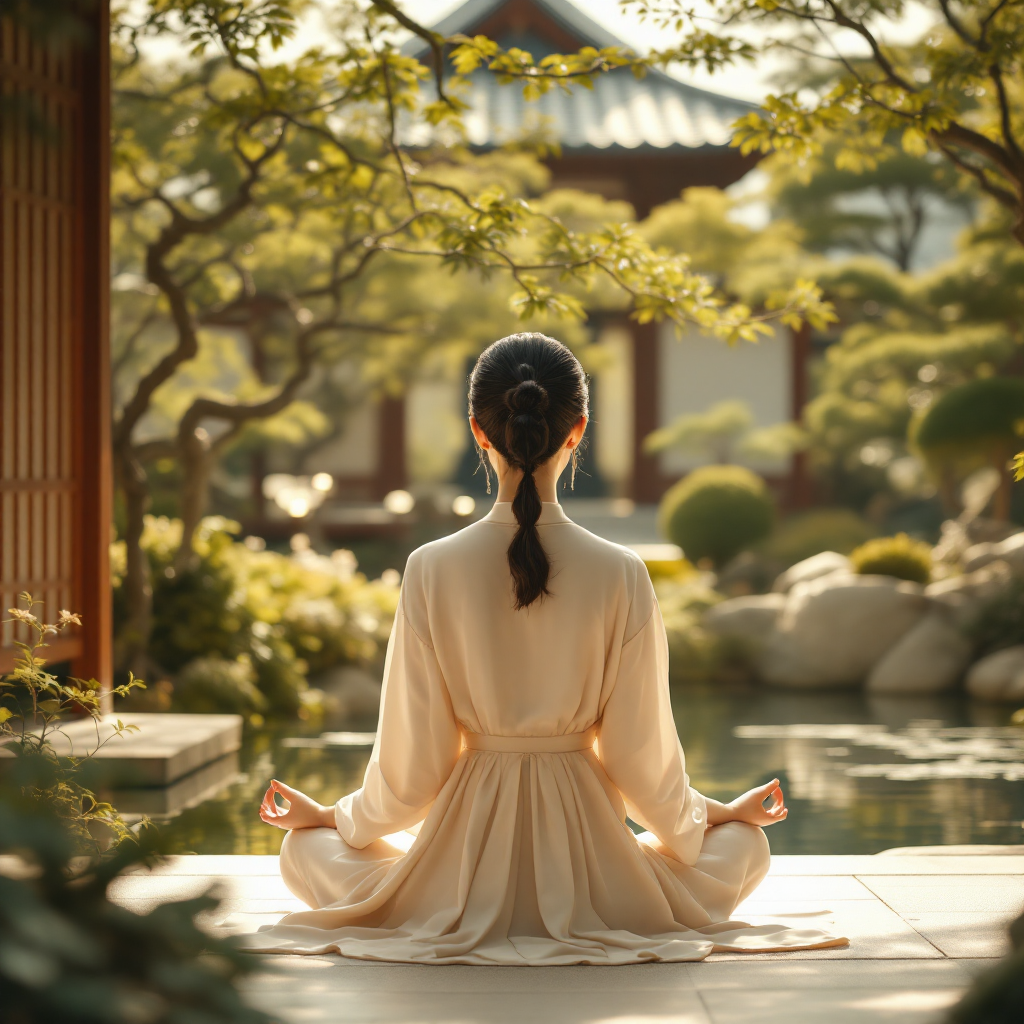
In Kyoto, you can experience true stillness by sitting in meditation within ancient temples. This beginner-friendly guide explains everything you need to know about Zen meditation — from its meaning and flow to etiquette, what to wear, and how to make the most of your time.
Table of Contents
- What Is Zazen and Why Try It?
- Why Kyoto Is the Best Place for Zen Meditation
- Step-by-Step: What to Expect on the Day
- Basic Etiquette and Posture Tips
- What to Wear and Bring
- How to Book and Best Time to Visit
- Frequently Asked Questions (FAQ)
- Book a Zen Meditation Experience
What Is Zazen and Why Try It?
Zazen — seated meditation — is a core practice in Zen Buddhism that focuses on posture, breathing, and awareness. It is not about “emptying the mind,” but rather about observing thoughts without attachment and returning gently to the present moment. Even beginners can experience a sense of clarity and calm after just one session.
Why Kyoto Is the Best Place for Zen Meditation
- Authentic temples: Meditate in centuries-old Zen halls and gardens.
- Expert guidance: Experienced monks provide gentle, clear instruction for first-timers.
- Peaceful setting: Kyoto’s natural beauty and calm atmosphere enhance mindfulness.
Practicing Zazen in Kyoto allows you to connect deeply with Japan’s spiritual and cultural roots.
Step-by-Step: What to Expect on the Day
- Orientation: Receive a short explanation about posture, breathing, and temple rules.
- Adjusting posture: Choose from full-lotus, half-lotus, or sitting on a chair — comfort is key.
- Breathing: Practice abdominal breathing, focusing on long, calm exhalations.
- First session: Sit for 10–20 minutes, quietly observing your thoughts and returning to your breath.
- Walking meditation: Slowly walk in silence, keeping awareness on each step.
- Second session: Sit again, noticing how your mind has settled compared to the first round.
- Reflection: Brief discussion or Q&A before departure.
Basic Etiquette and Posture Tips
Posture
Keep your back straight, chin slightly tucked, and hands forming the cosmic mudra (thumbs gently touching).
Eyes
Keep them half-open, looking softly downward — seeing without focusing.
Breathing
Inhale naturally through your nose, exhale slowly, and let your heartbeat calm.
Awareness
If distractions arise, notice them without judgment and return your focus to breathing.
Kyosaku (encouragement stick)
Used gently by monks (only upon request) to release tension and reawaken focus — not as punishment.
What to Wear and Bring
- Clothing: Comfortable, loose-fitting pants and a soft top. Avoid skirts or tight jeans.
- Socks: You’ll remove your shoes — clean, plain socks are best.
- Accessories: Remove jewelry and strong scents before entering the hall.
- Cold weather: Bring a shawl or leg warmers during winter.
- Optional items: A small towel or cushion for extra comfort.
How to Book and Best Time to Visit
The early morning sessions (7–9 AM) offer the most peaceful atmosphere and soft light filtering through temple gardens. During peak seasons (spring and autumn), it’s best to reserve at least one week in advance. Most sessions are held indoors and proceed even on rainy days.
Frequently Asked Questions (FAQ)
Is instruction available in English?
Yes, many temples offer simple English explanations or visual guidance for international participants.
What if I can’t sit cross-legged?
No problem — half-lotus, Burmese position, or chair meditation are all acceptable. Comfort is more important than form.
How long and how much does it cost?
Most sessions last 45–90 minutes and cost between ¥1,000 and ¥3,000, depending on the temple and program.
Book a Zen Meditation Experience
Join a guided Zazen session in Kyoto’s temples, open to beginners and international visitors. Sessions can be tailored to individuals or groups, with English assistance available. Discover tranquility and mindfulness in the heart of Japan.
Languages: Japanese, English
#Kyoto #Zen #Meditation #Zazen #Mindfulness #TempleExperience


コメント