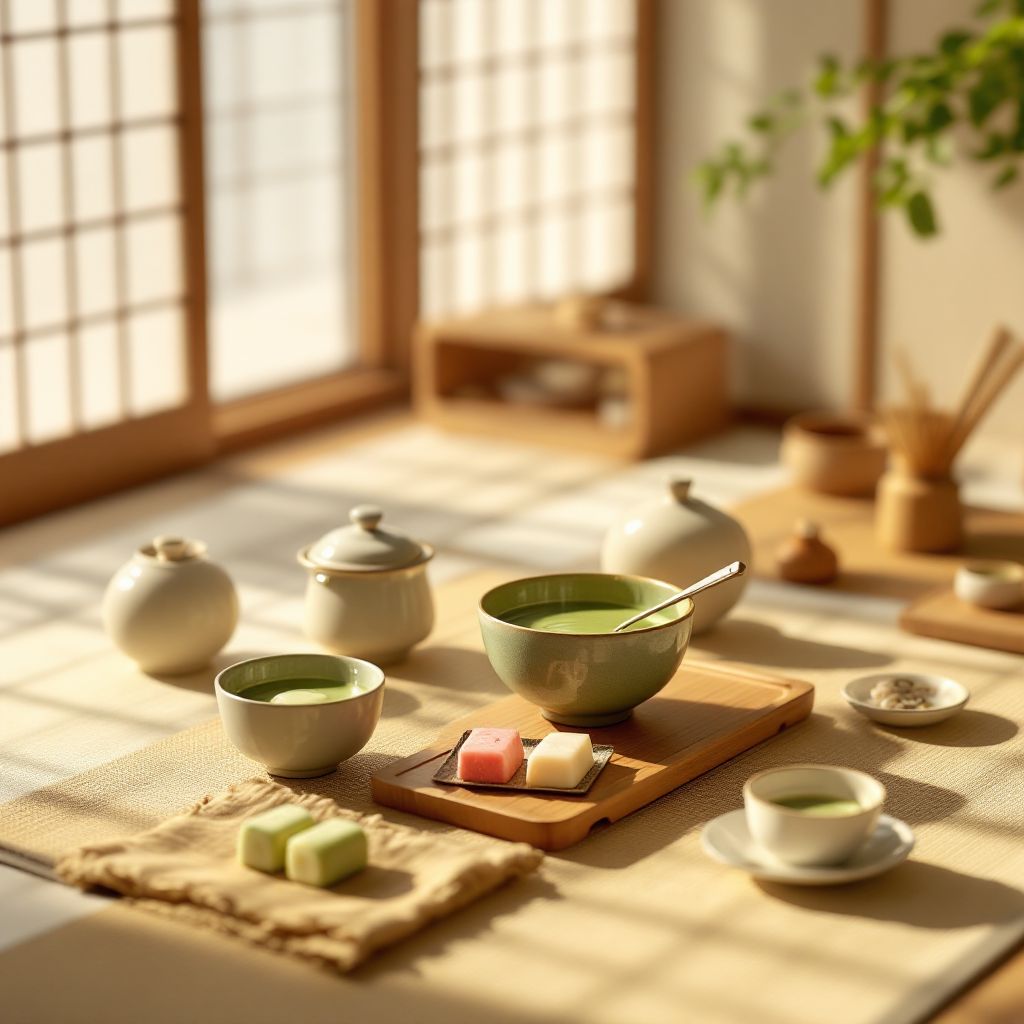
In the quiet atmosphere of a tearoom, a single bowl of matcha reveals the essence of Japanese culture — harmony, respect, purity, and tranquility. The Way of Tea, or Sadō, is more than a ritual; it is a reflection of mindfulness, aesthetics, and human connection. Let’s explore how a matcha experience can deepen your understanding of Japan’s spiritual heart.
- Table of Contents
- What Is the Japanese Tea Ceremony?
- The Four Principles: Harmony, Respect, Purity, and Tranquility
- The Meaning of “Ichigo Ichie” — Once in a Lifetime Encounter
- Why It’s Loved by International Visitors
- Conclusion: Experiencing the Heart of Japan Through Matcha
- Book Your Tea Ceremony Experience
Table of Contents
- What Is the Japanese Tea Ceremony?
- The Four Principles: Harmony, Respect, Purity, and Tranquility
- The Meaning of “Ichigo Ichie” — Once in a Lifetime Encounter
- Why It’s Loved by International Visitors
- Conclusion: Experiencing the Heart of Japan Through Matcha
- Book Your Tea Ceremony Experience
What Is the Japanese Tea Ceremony?
The Japanese tea ceremony, known as Sadō or Chadō, is not simply about preparing and drinking tea. It is a complete cultural experience involving space, utensils, conversation, and mindfulness. Every gesture in the tearoom — from the placement of the tea bowl to the choice of seasonal flowers — reflects the host’s care and the guest’s gratitude.
The Four Principles: Harmony, Respect, Purity, and Tranquility
The essence of tea ceremony is expressed in the phrase Wa-Kei-Sei-Jaku — Harmony, Respect, Purity, and Tranquility.
- Wa (Harmony): Creating balance and unity between people and nature.
- Kei (Respect): Treating others and objects with sincerity and appreciation.
- Sei (Purity): Keeping the heart and surroundings clean, both physically and spiritually.
- Jaku (Tranquility): Achieving inner peace through stillness and awareness.
These four ideals are present in every aspect of the ceremony — the utensils, the gestures, and even the silence shared between host and guest.
The Meaning of “Ichigo Ichie” — Once in a Lifetime Encounter
A core concept in tea ceremony is Ichigo Ichie, which translates as “one time, one meeting.” It reminds us that each encounter is unique and will never happen again in exactly the same way. During a matcha experience, participants are invited to fully appreciate the present moment — to breathe, listen, and connect.
Why It’s Loved by International Visitors
The tea ceremony transcends language and nationality. It’s a way to experience Japanese culture with all five senses:
- Visual beauty: The simplicity of the tearoom and the seasonal aesthetics.
- Sound: The gentle clink of utensils and the sound of boiling water.
- Taste and aroma: The deep, earthy flavor of matcha that calms the mind.
- Touch: The texture of ceramics and the warmth of shared moments.
Through this immersive experience, visitors gain insight into the Japanese way of harmony, respect, and mindfulness.
Conclusion: Experiencing the Heart of Japan Through Matcha
The tea ceremony is not only about beauty or formality — it is a practice of awareness, compassion, and gratitude. Even a short session can help you slow down, find balance, and connect deeply with yourself and others. During your stay in Kyoto or anywhere in Japan, take time to experience matcha prepared in the traditional way. You’ll discover that within each bowl lies the essence of Japan’s spirit.
Book Your Tea Ceremony Experience
Kyoto offers many authentic tea ceremony experiences for beginners and international guests. Sessions are available in English, and each experience includes guidance on tea preparation and etiquette.
#TeaCeremony #MatchaExperience #JapaneseCulture #Kyoto

コメント